
If you ever get a call from your “bank” asking you to move money, share a code, or confirm a transaction, stop and think before you act. In the UK, scammers are becoming more sophisticated, using cloned numbers, convincing scripts, and sophisticated agents to trick even the most careful customers.
That’s where Stop Scams UK’s 159 phone number comes in.
What Is 159?
159 is a short, easy-to-remember phone number created by Stop Scams UK to help you speak directly to your real bank when you suspect fraud.
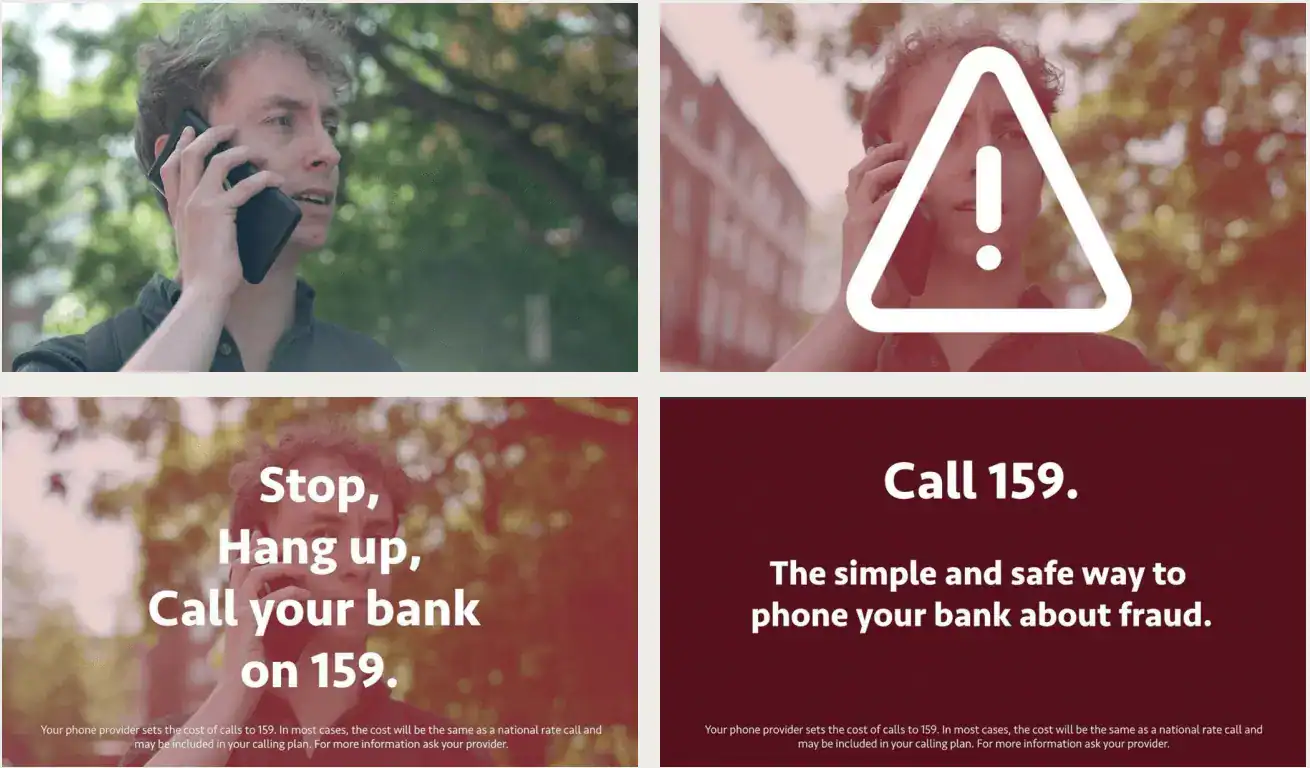
Instead of staying on the line or redialing the number that just called you, simply hang up and dial 159, then state which bank you need to get in touch with. You’ll be automatically connected to your bank’s genuine fraud or customer service line.
Because 159 is a national short code, it can’t be spoofed or faked, so you can be confident you’re talking to the real bank, not a scammer.
If you’re using a virtual landline from Number People or our call forwarding service, 159 works the same way; simply dial it from your Number People number, and you’ll be safely routed to your bank.
Why Does 159 Matter?
Phone scams are a growing problem in the UK. Criminals can easily disguise their caller ID, making their number appear legitimate. This means even cautious customers can be tricked into transferring money or revealing sensitive details.
Calling 159 adds a vital layer of protection, even if you are sure it is your bank that is calling you. You’ll get the chance to:
- Cut off the scam before it goes any further.
- Get through safely to your actual bank.
- Protect your finances with one simple step
- Give yourself a minute to evaluate the situation.
At Number People we encourage everyone to stay alert to spoofing and caller ID scams, which have become increasingly prevalent over the last few years.
Who Can Use 159?
Almost everyone in the UK. According to Stop Scams UK, over 99% of UK current account holders are now covered by banks connected to 159, including major names like: Barclays, HSBC, Lloyds, NatWest, Nationwide, Monzo, Revolut, Santander, TSB, Virgin Money and more!
Since launching, more than a million calls have already been made to 159, preventing untold losses from phone fraud and making sure those callers gain peace of mind that they have not been scammed.
If you or your business uses a Number People virtual phone number, we recommend sharing 159 with your team, family and friends, and acquaintances too, especially anyone who takes or makes payments or speaks to customers about financial details.
What is the future for 159?
Stop Scams UK is continuing to develop the service, with plans to make 159 a permanent, national short code, much like 999 or 111. The aim is to ensure everyone in the UK instantly knows what 159 is for, and for it to be instantly recognisable as a direct line to your bank when something doesn’t feel right.
You can read more about the initiative on the official Stop Scams UK 159 page.
How to Protect Yourself Starting Today
- Save 159 in your phone contacts, you’ll never know when you’ll need it.
- Never trust a caller who asks for personal or banking details, even if the number looks familiar.
- Hang up, wait a few seconds, and then call 159.
- Share this tip with friends and family; it only works if people know about it.
- Consider using Number People’s call management tools to help screen calls and protect your privacy.
What We Think
Here at Number People, we believe that Stop Scam UK’s 159 scheme is one of the simplest and most effective tools available to stop phone scams before they happen. By making it part of your safety routine, just like calling 999 in an emergency, you’re helping to protect not only your money but your peace of mind as well.
At Number People, we’re always looking for ways to help customers stay connected safely and confidently. Saving 159 to your contacts could be the quickest, smartest, and safest move you make today.